

What Is Apple Wood?
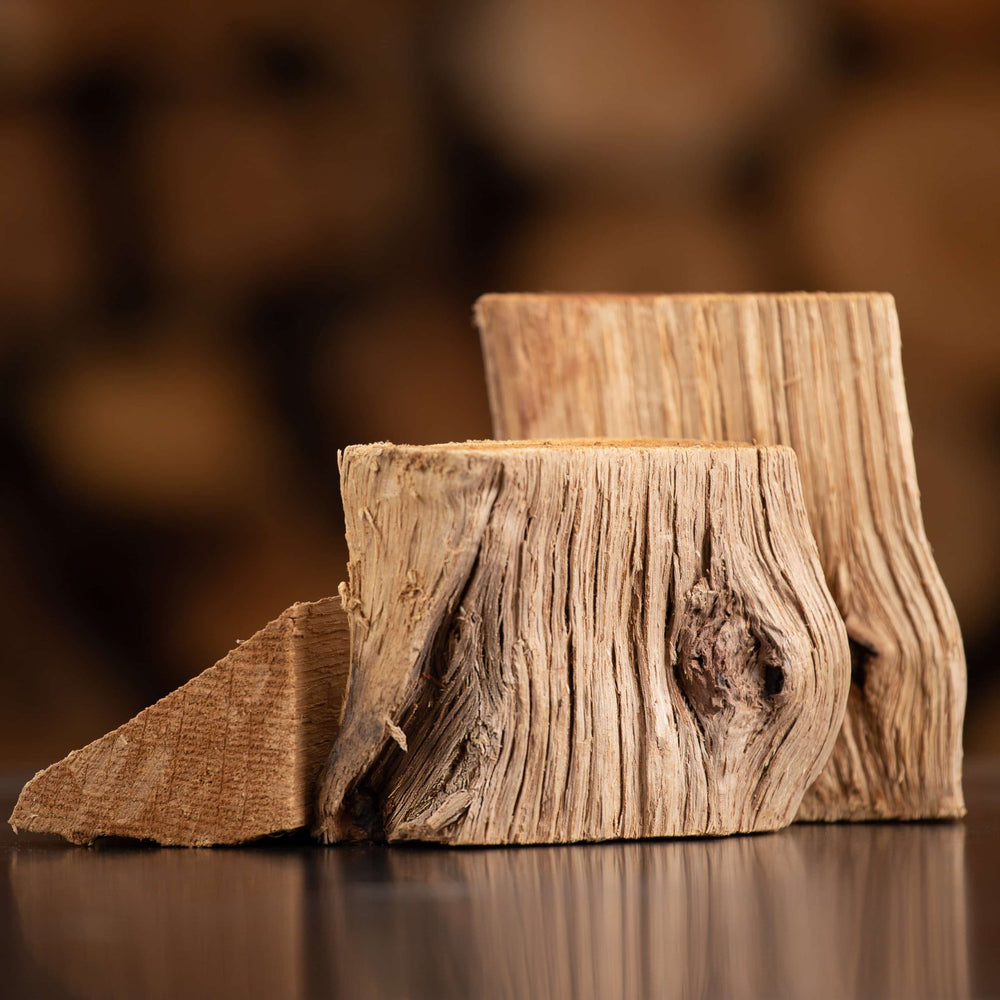
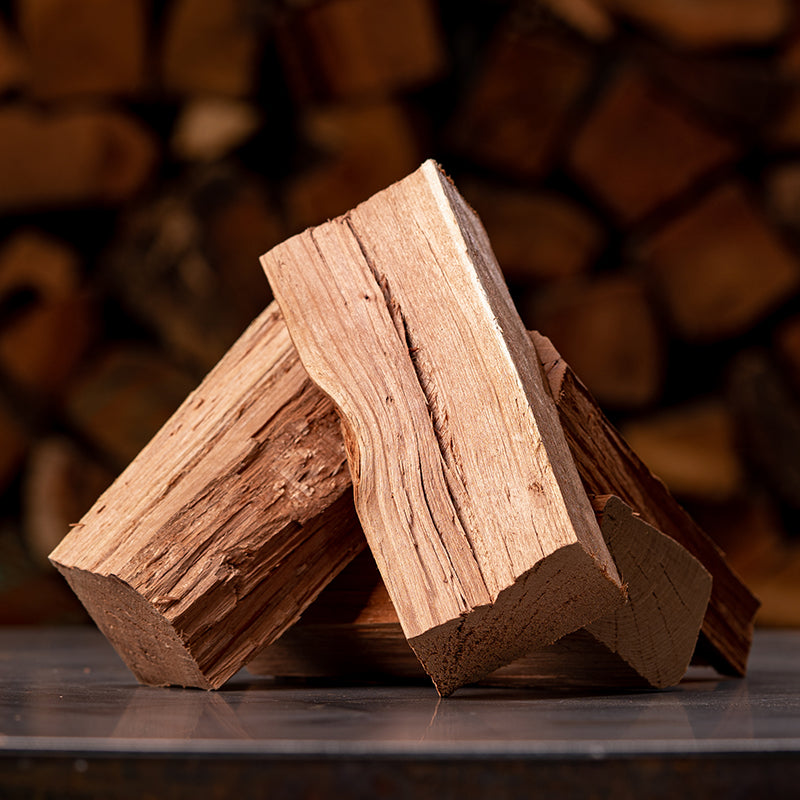
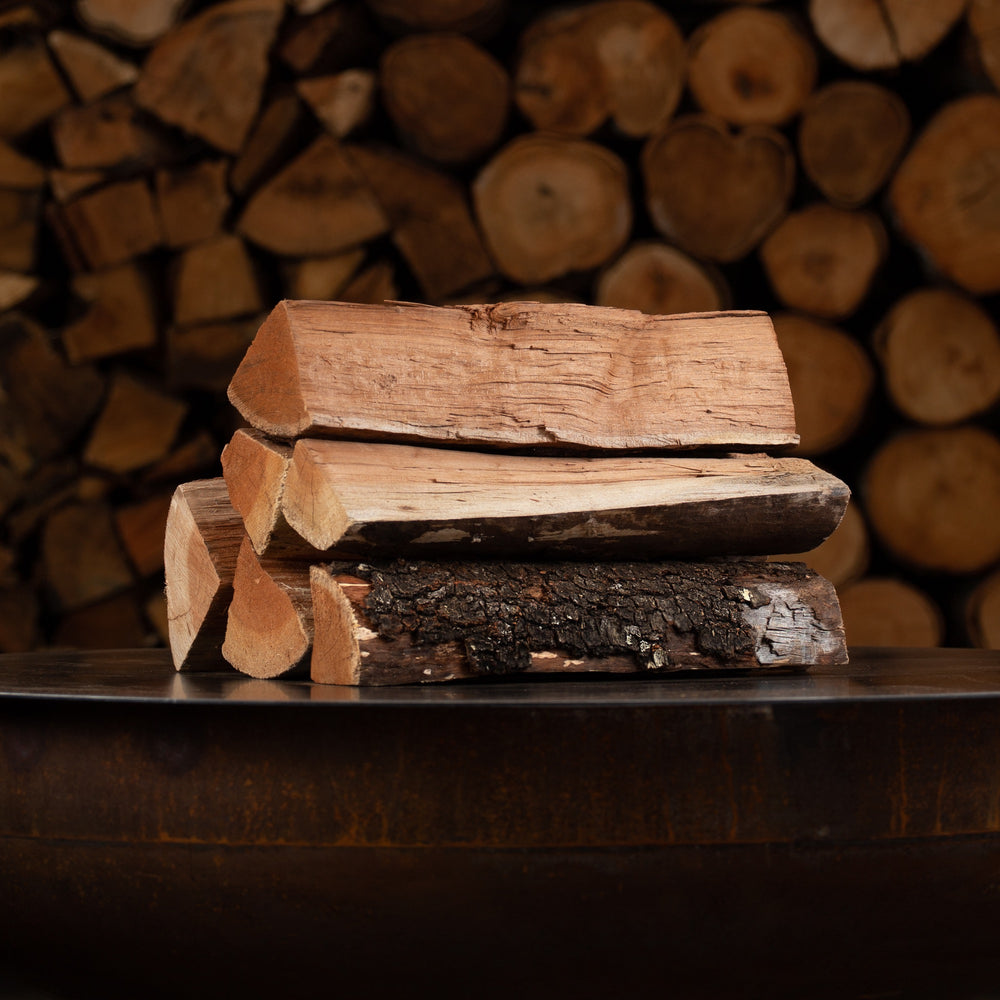
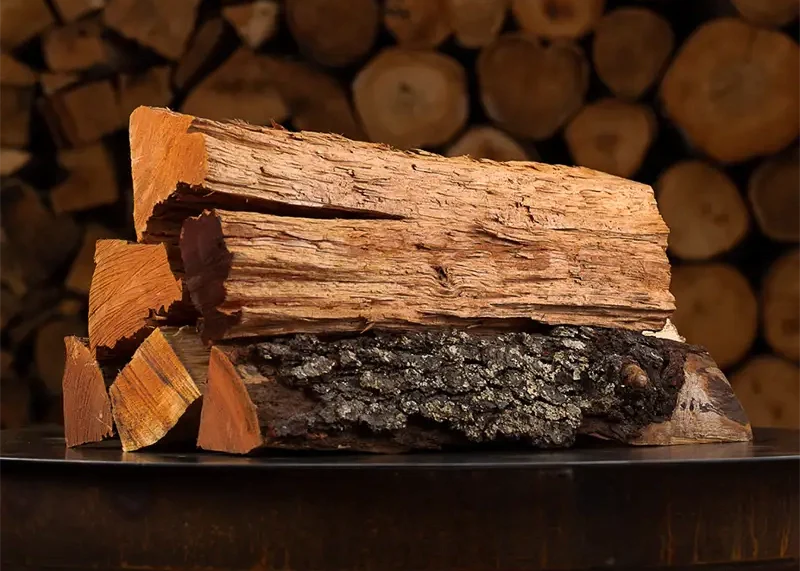
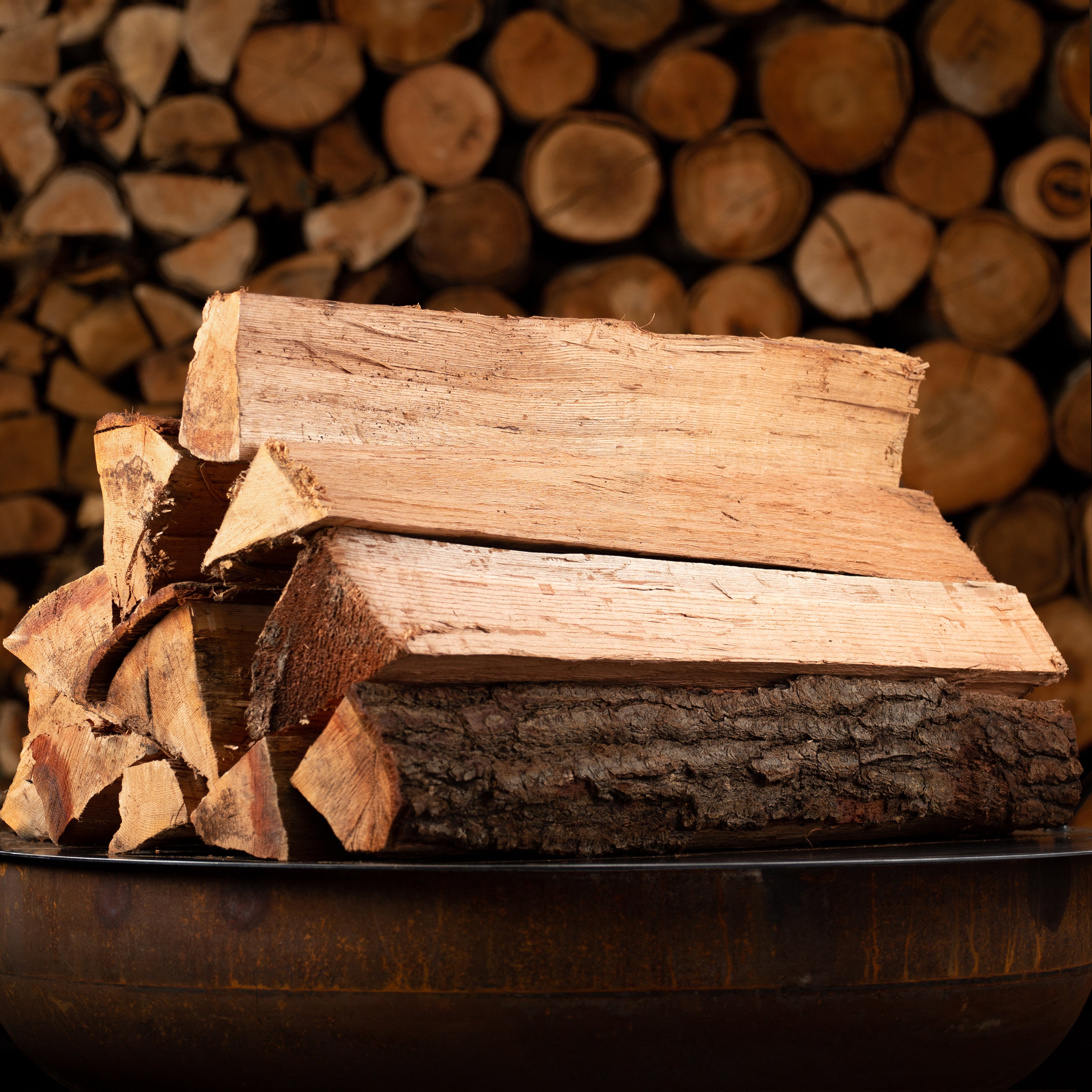
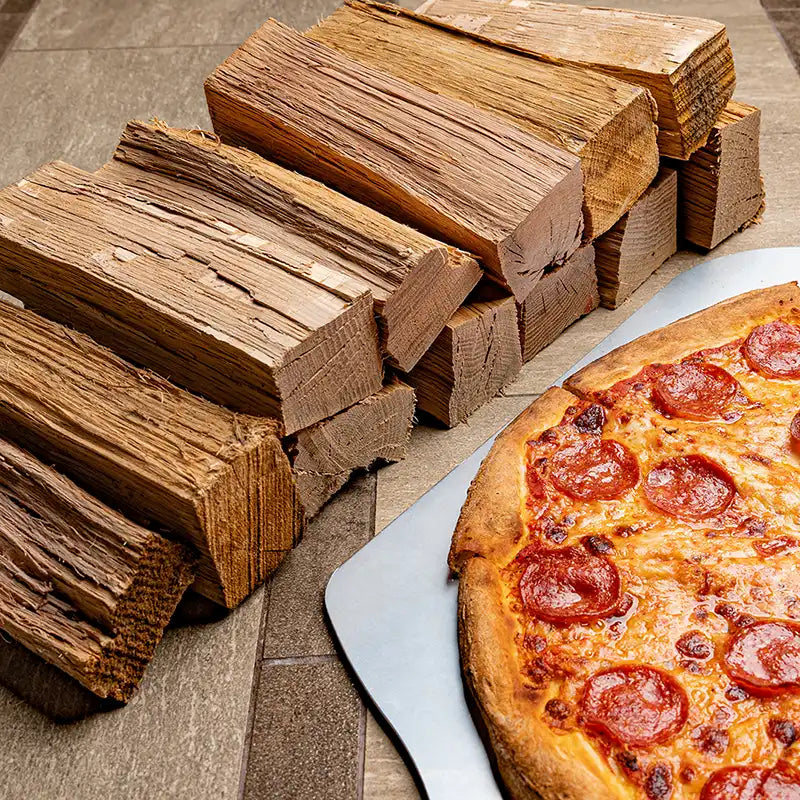
Apple wood is a mild, sweet-smoking hardwood cut from the trunk and branch wood of apple trees, and it is one of the most forgiving woods a pitmaster can use. Because its smoke is gentle and faintly fruity, apple wood works on almost anything you put in a smoker, from a whole chicken to a twelve-hour pork shoulder, without the risk of an over-smoked bite.
This guide covers what apple wood tastes like, how it compares to other types of smoking wood, the meats it pairs with best, and how to use it by smoker type.

Is Apple Wood a Hardwood?
Apple wood is a hardwood, and like other fruit-bearing trees, it has a dense grain that burns slower and more evenly than softwoods like pine or cedar, which makes it well suited to long, low-and-slow cooking.
What Does Apple Wood Taste Like?
Apple wood produces a mild, sweet, faintly fruity smoke with almost no bitterness. The flavor sits toward the gentle end of the smoking-wood spectrum. It's sweeter than oak, milder than hickory, and far softer than mesquite.
Some cooks describe applewood smoke as having a faint honey-like finish, especially on longer cooks where the sugars in the wood have more time to develop. It is a wood built for subtlety that really lets the meat shine, which is exactly why it shows up so often alongside pork, poultry, and fish.
Apple Wood vs. Cherry, Hickory, Mesquite, and Oak
Apple sits on the milder end of the smoking-wood spectrum. The table below is a quick reference for picking the right wood for the cook you have planned.
| Wood | Flavor | Intensity | Best For |
|---|---|---|---|
| Apple | Mild, sweet, fruity | Light to medium | Pork, poultry, fish, cheese |
| Cherry | Mild, sweet, faintly tart | Light to medium | Beef, pork, poultry, lamb |
| Hickory | Bold, savory, bacon-like | Medium to heavy | Pork shoulder, ribs, brisket |
| Mesquite | Intense, earthy | Heavy | Beef, short cooks only |
| Oak | Balanced, smoky-savory | Medium | All-purpose, brisket |
Our #1 rule to remember is that delicate proteins want a delicate smoke. Apple and cherry work well with chicken, turkey, fish, and pork because you can leave them for a long cook without the meat turning bitter. Hickory and mesquite are better saved for big, fat-rich cuts that can stand up to a heavier smoke.
How Much Apple Wood Should You Use?
Apple wood is forgiving, but that doesn't mean more is better. Because its smoke is mild, it's tempting to load up the firebox to make sure the flavor comes through. Unfortunately, that usually turns a subtle wood harsh.
On a kamado-style grill, two to three fist-sized chunks nestled into the charcoal are enough to carry a whole cook. On an offset or vertical smoker running splits, feed the fire steadily in small additions rather than piling on wood at the start. For a full-sized smoker running logs, one to two logs an hour is a reasonable starting point.
Throughout, you should monitor the smoke itself. Thin, almost invisible blue smoke means the fire is burning clean. Thick, rolling white or gray smoke means the fire is smothered, which can turn a mild wood like apple bitter.
Should I Blend Apple Wood With Other Woods?
Apple wood blends well with stronger woods when a cook needs more than just sweetness.
Pairing apple with hickory on a pork shoulder gives the bark a savory backbone while keeping the fruit-forward sweetness apple is known for. Apple and oak together on chicken or turkey stretches out a long, steady burn without adding much smoke intensity.
A simple starting ratio is two parts apple to one part of a stronger wood. Because apple is so mild, it rarely overwhelms the blend. The easiest way to go wrong is using too little of it rather than too much.
Best Meats to Pair with Apple Wood
Apple wood pairs best with pork, poultry, fish, and any other meats that require a sweet smoke. A few standouts:
- Pork Shoulder and Ribs: Apple's sweetness caramelizes into the bark over a long cook without turning bitter the way a heavier smoke can.
- Whole Chicken and Turkey: A mild smoke that will not overpower poultry. The skin takes on a warm amber color as it cooks.
- Salmon and Other Delicate Fish: Fish take on smoke quickly. A gentle wood like apple is easier to get right than a heavier option like oak or hickory.
- Cheese: Cold-smoked cheddar or gouda picks up a subtle fruit note from apple wood when cold-smoked in sub 90°F.
Apple is generally too mild for brisket and other large cuts of beef. Those are better suited to hickory, oak, or a blend that includes mesquite.
Cold Smoking vs. Hot Apple Wood Smoking
Apple wood works for both cold smoking and hot smoking. Hot smoking is the more familiar method. You cook food directly with heat and smoke apple wood together, typically in the 225 to 250°F range, where most pork, poultry, and fish get smoked.
Cold smoking keeps the smoke source separate from the food and holds the temperature under 90°F. The food ends up with flavor without being cooked. That's how you can get a smoky flavor on your cheese, butter, and cured items without melting or spoiling.
Apple's mild profile suits both methods for the same reason: a stronger wood like hickory or mesquite can overpower a cold-smoked cheese in a way that would go unnoticed on a twelve-hour brisket, while apple stays balanced either way.
How to Use Apple Wood by Smoker Type
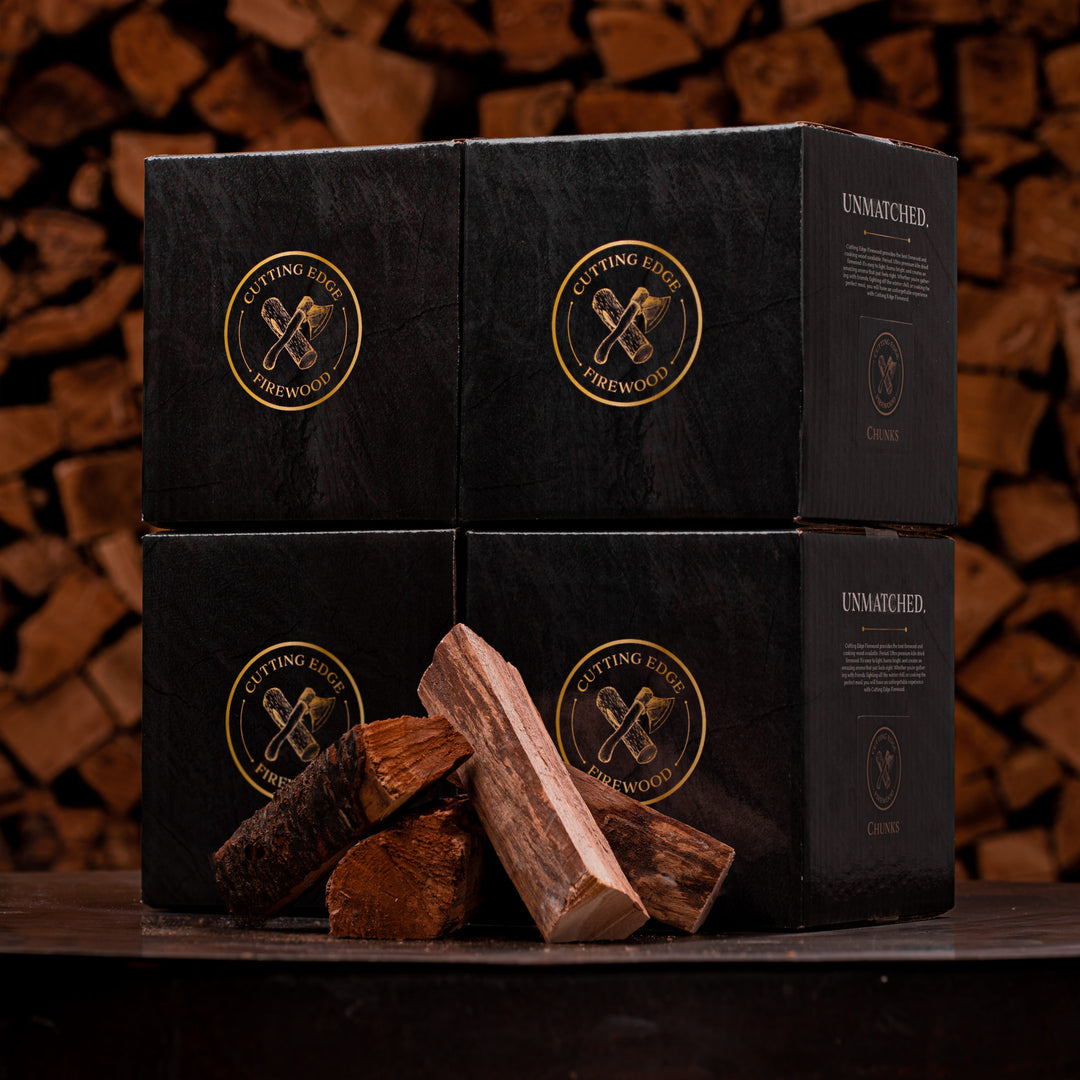
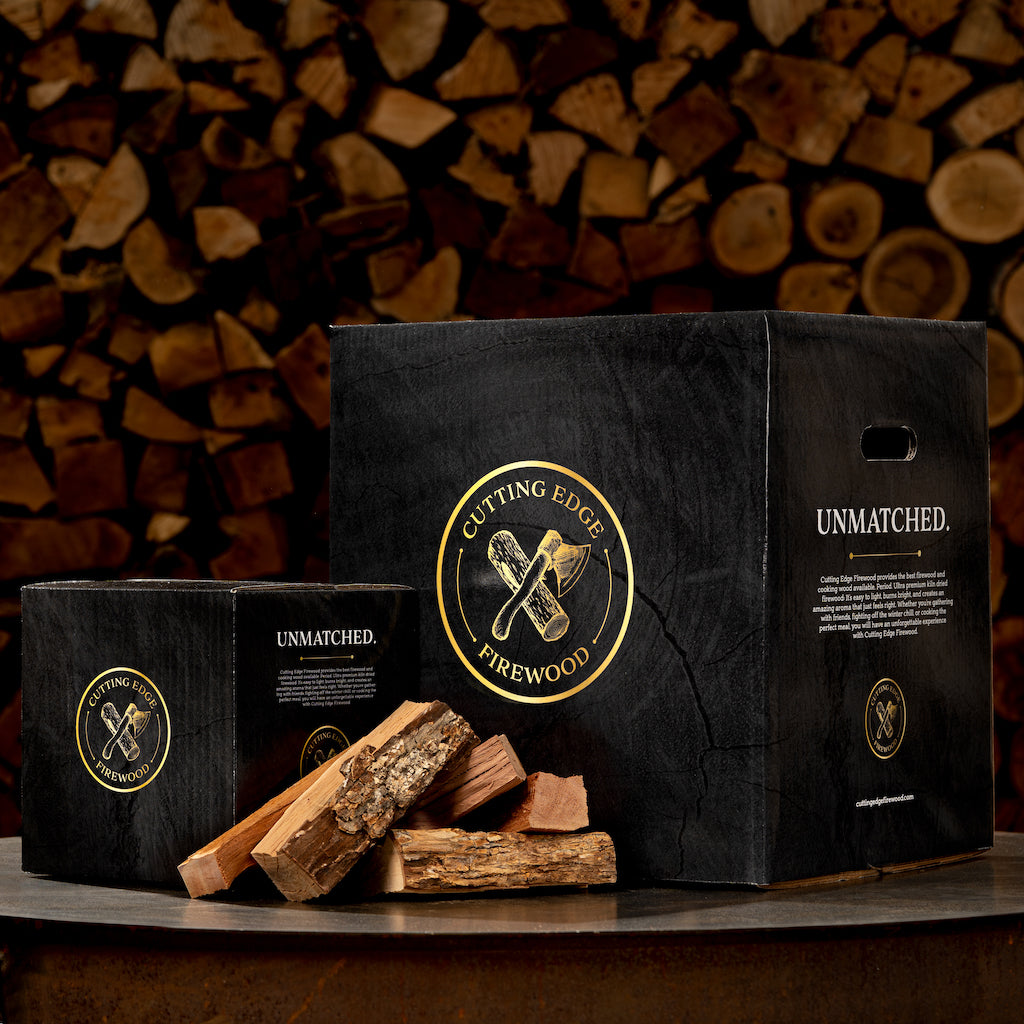
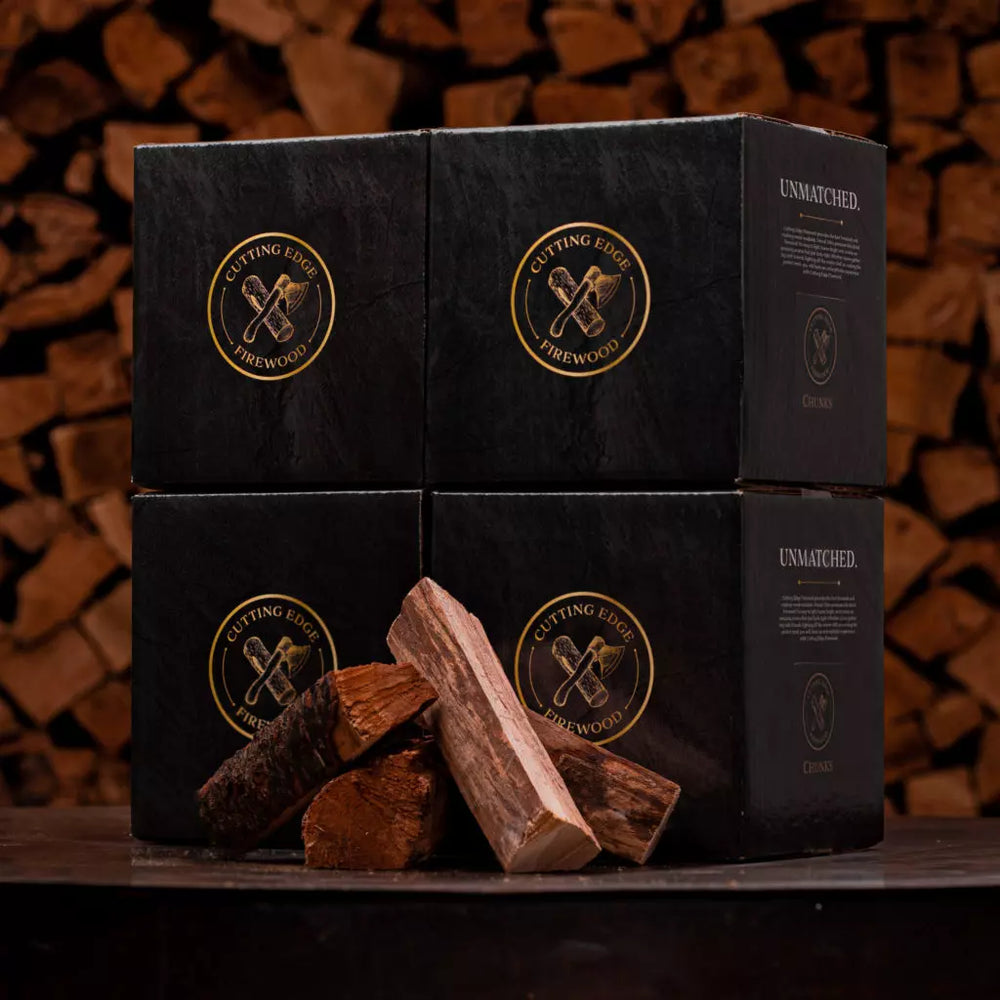
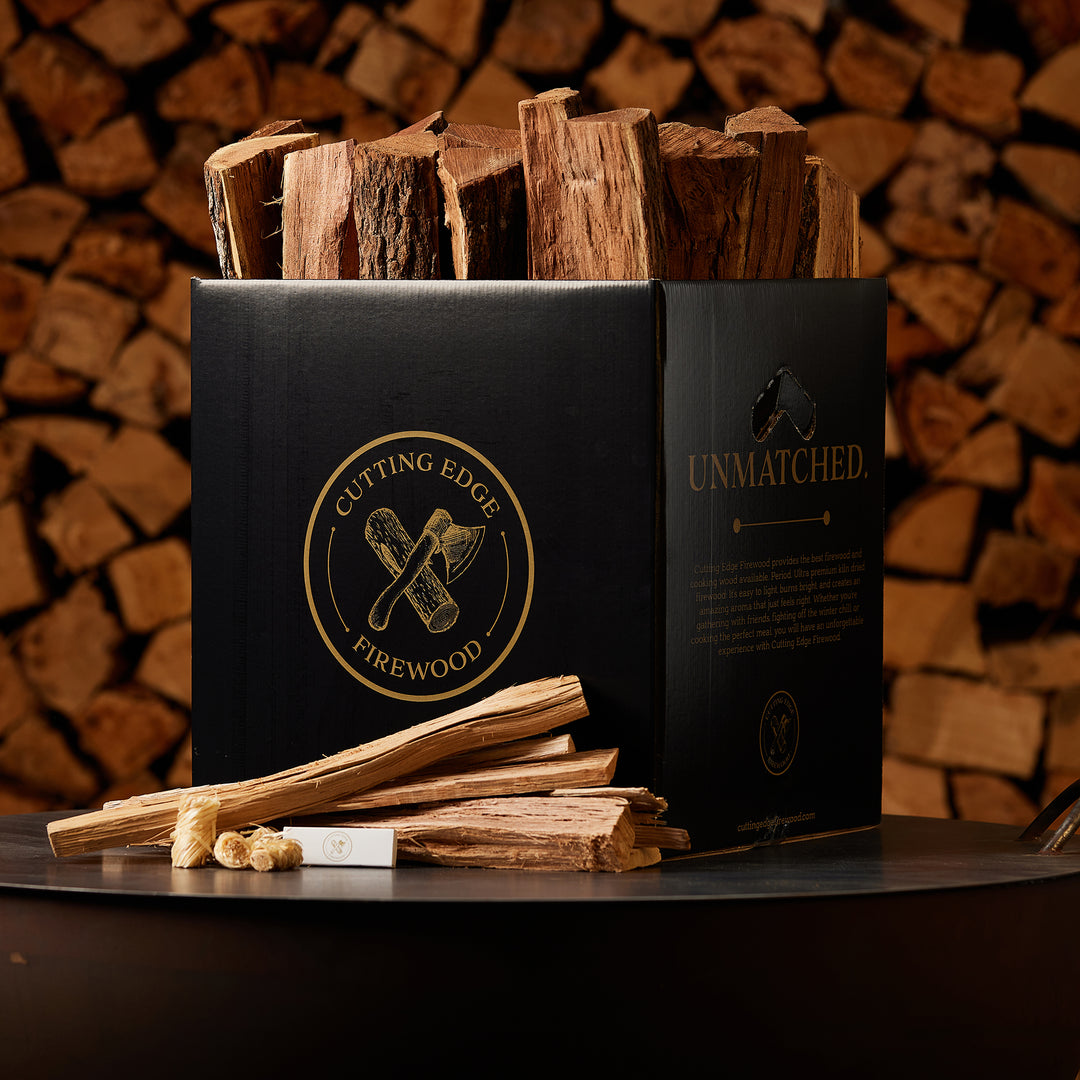
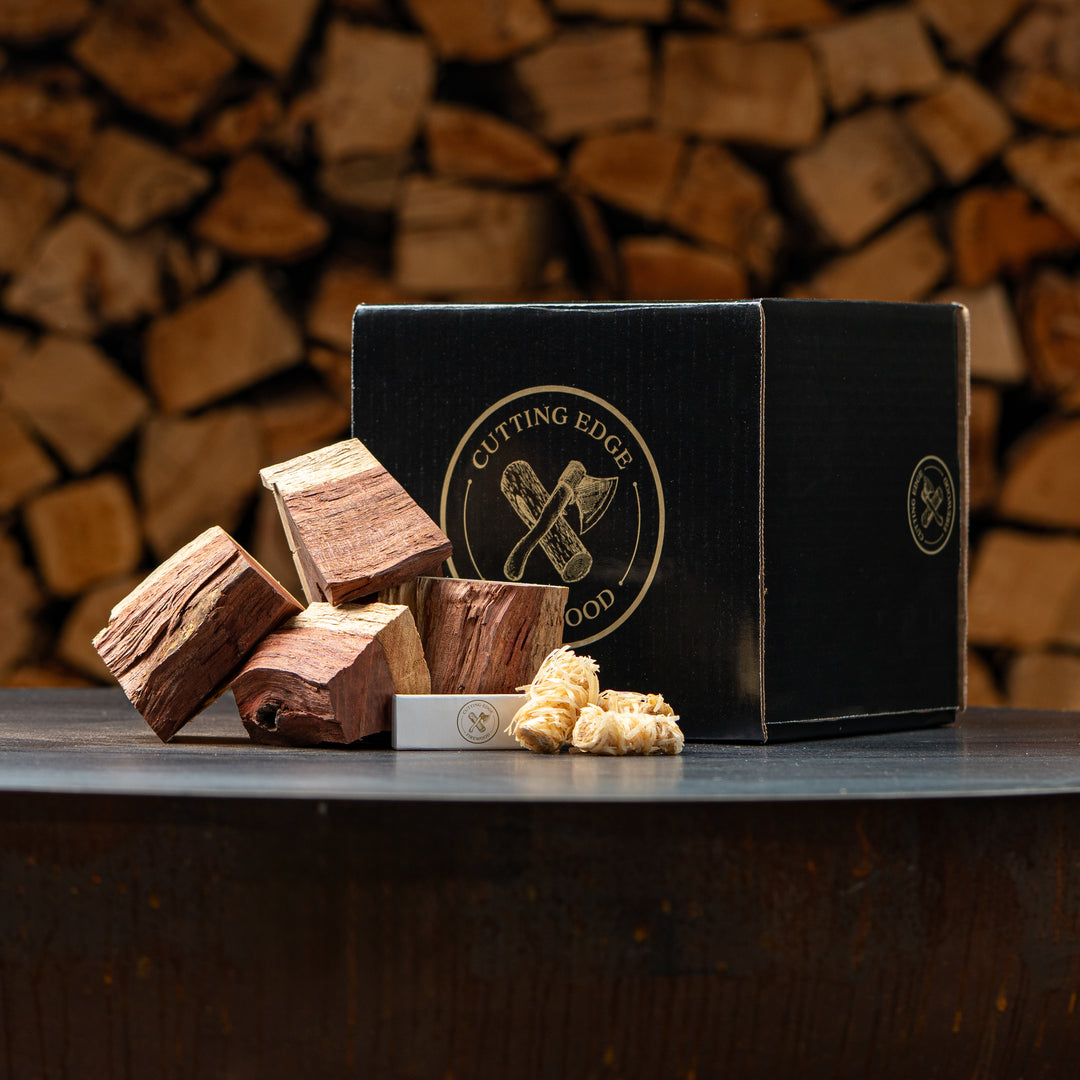
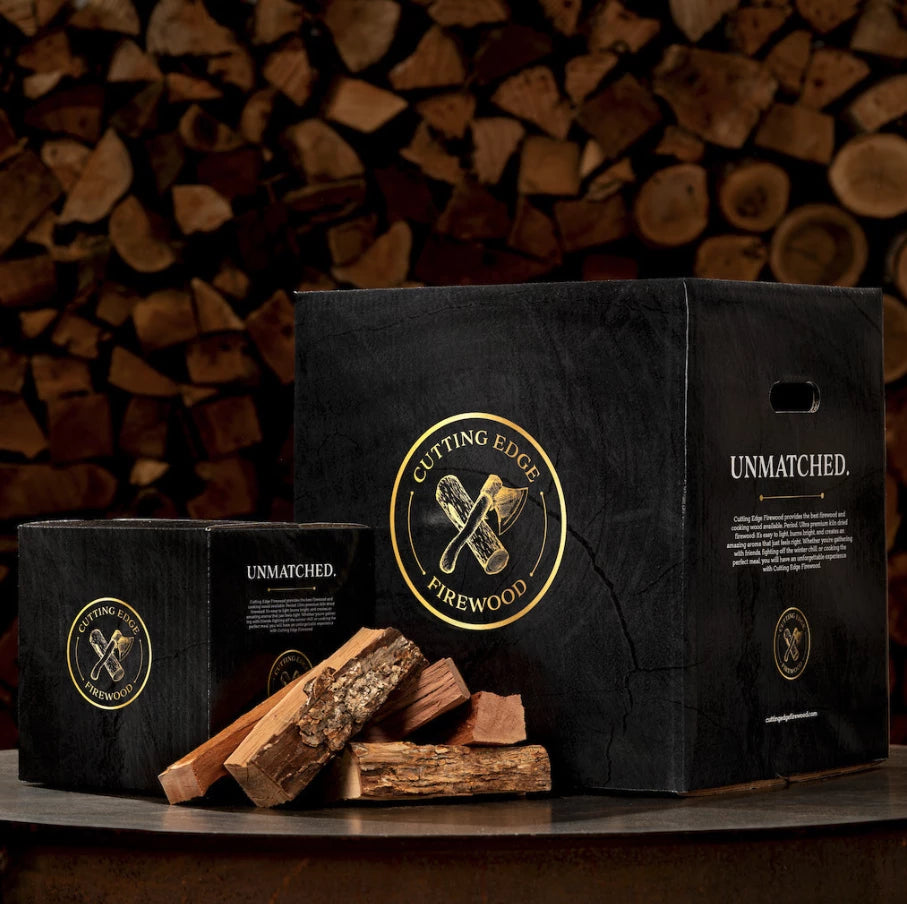
The right cut of apple wood depends on the smoker you are running. Cutting Edge Firewood's apple cooking wood comes in three sizes:
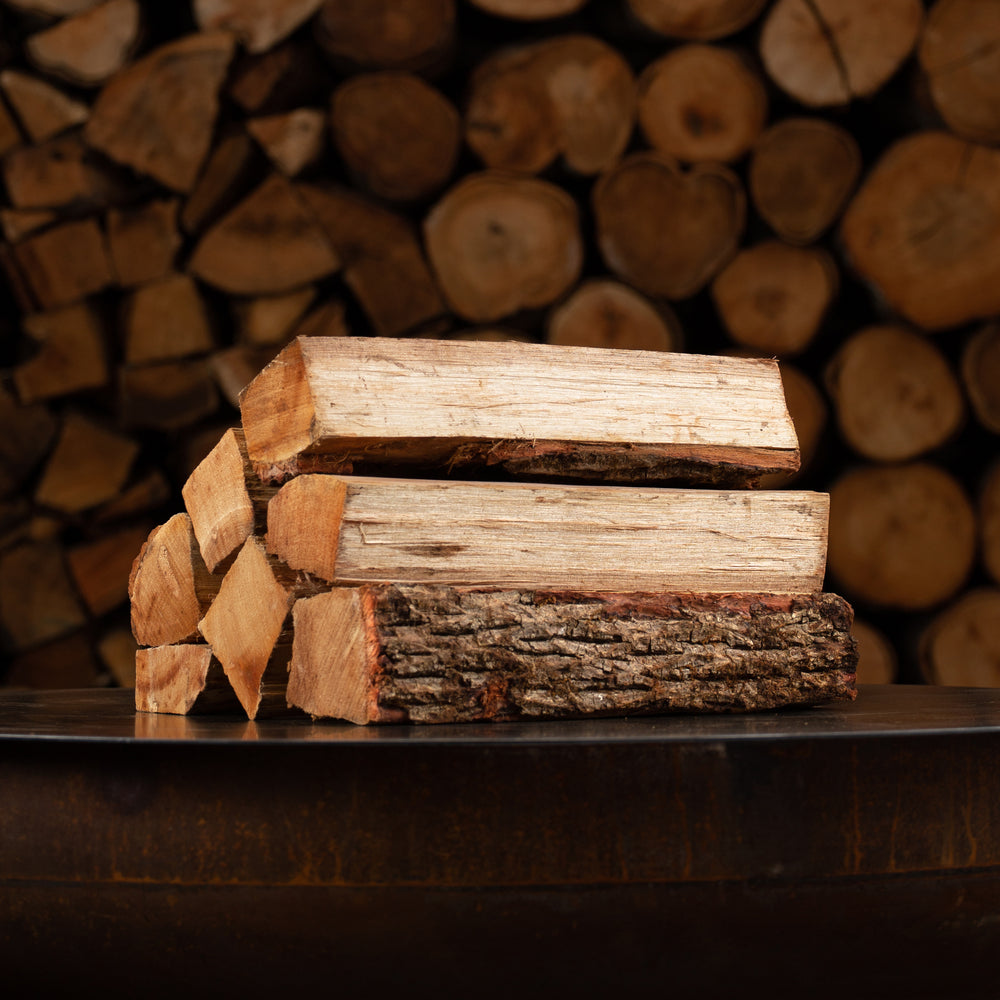
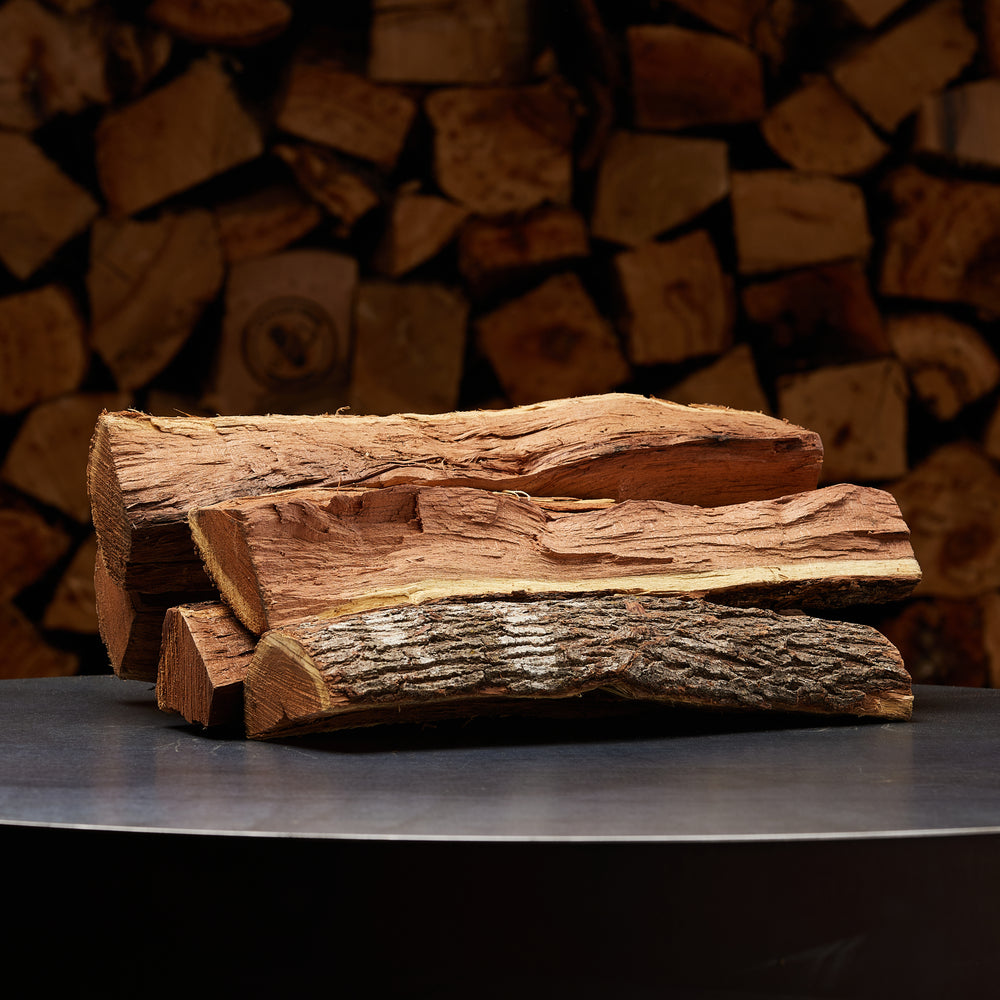
- 16-inch apple wood logs for full-sized smokers and open-pit fires.
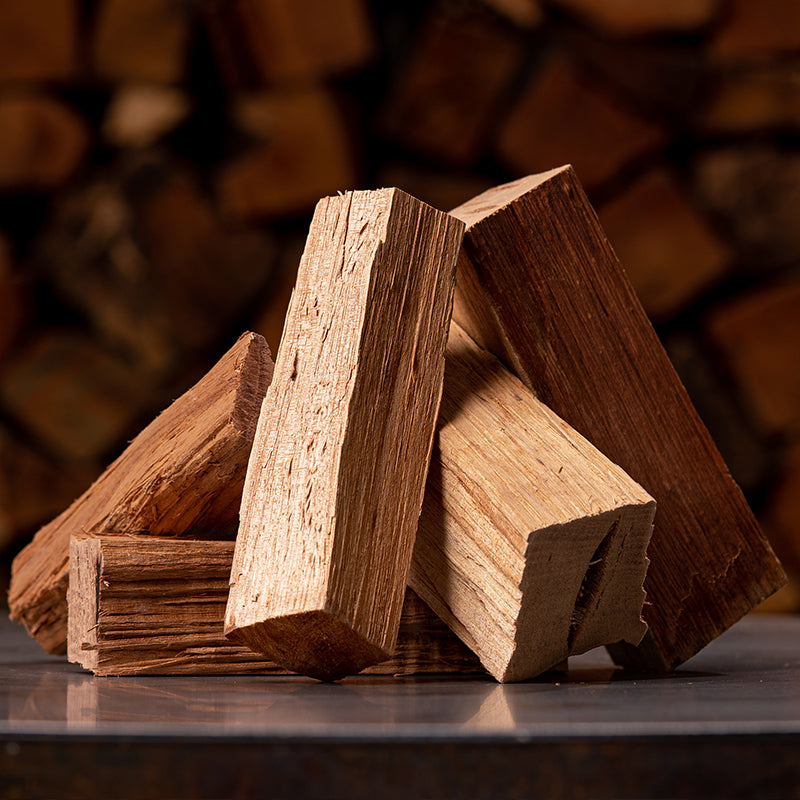
- 8-inch apple wood cooking splits for offset, vertical smokers, or large kamados.
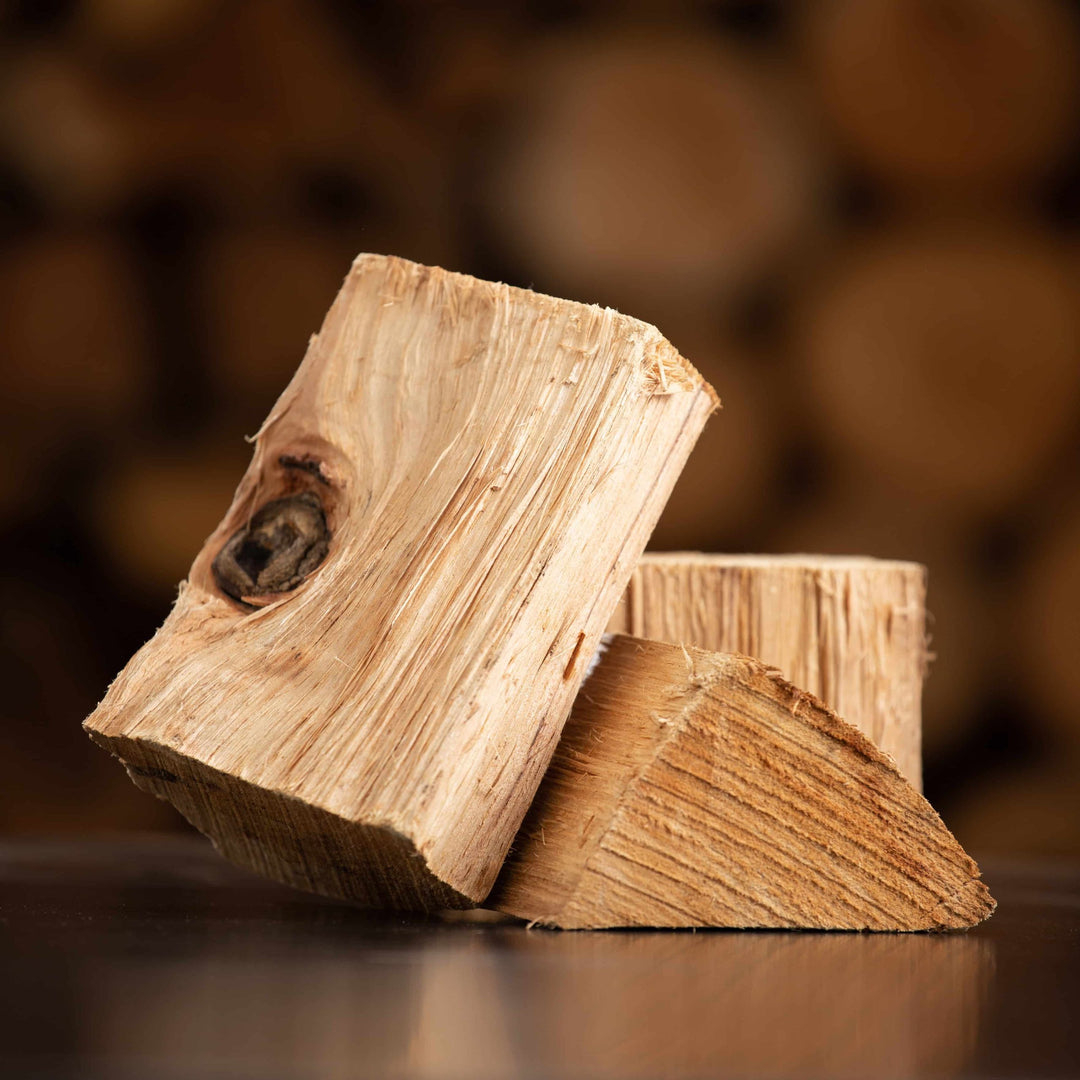
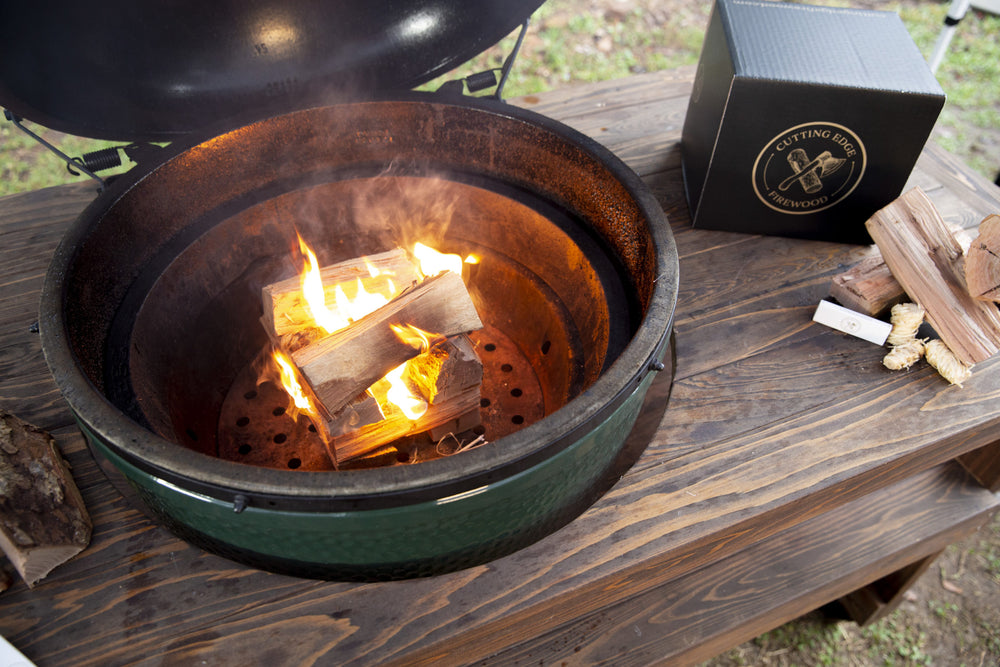
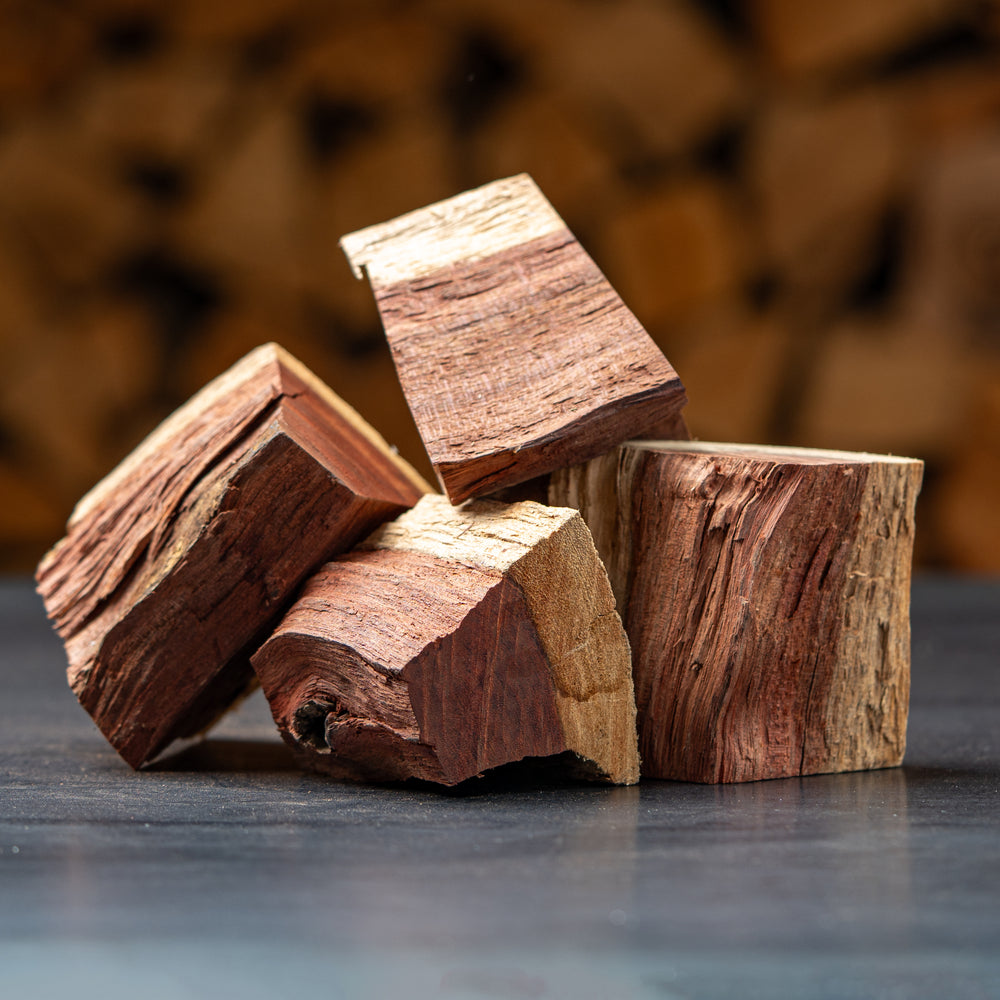
- 2 to 4-inch apple wood smoking chunks for kamado-style grills like the Big Green Egg, Kamado Joe, or Primo.
Common Mistakes to Avoid with Apple Wood
Most apple wood problems come down to moisture, size, and timing.
- Green or Under-Dried Wood: Wood that has not dried properly smolders instead of burning clean. That creates acrid smoke, which erases the sweetness of the apple.
- Oversized Chunks: Like green or under-dried wood, oversized chunks can smolder the fire in a smaller grill.
- Timing: Adding wood too early tends to produce thick white smoke rather than thin blue smoke that flavors food well. If you add the wood too late, however, your meat will form its bark and not pick up additional flavor. Feed the fire in small, steady increments throughout the cook.
What to Look for When Buying Apple Wood
Not all apple wood is cut and dried the same way. A few things worth checking before you buy:
- Weight: Properly dried wood is noticeably lighter than green wood of the same size. Wood that feels heavy or damp for its size is probably not finished drying.
- Color and Surface: Look for a clean, consistent color without dark streaks, soft spots, or visible mold.
- Cut Size: Uniform cuts burn more predictably than a grab bag of different log sizes.
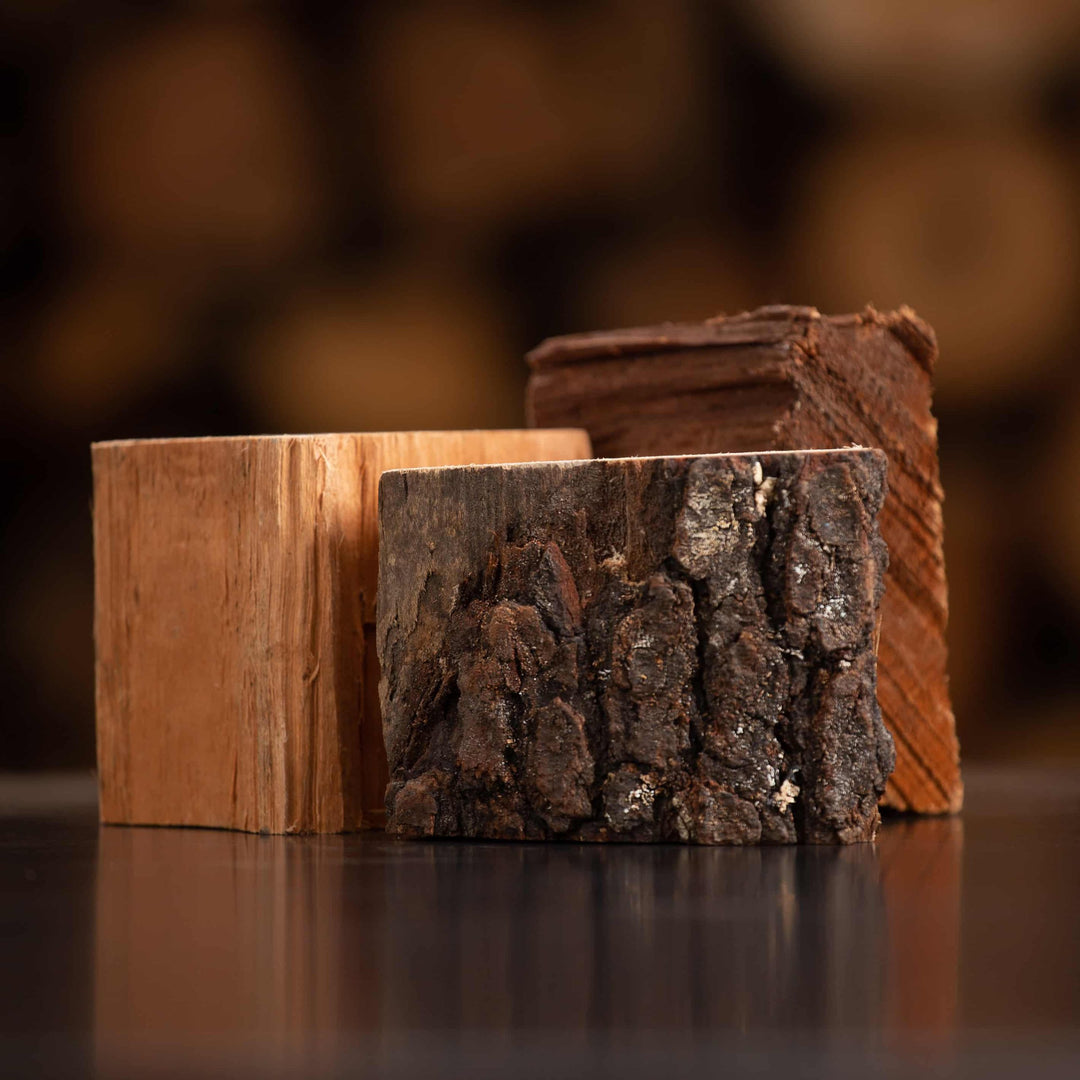
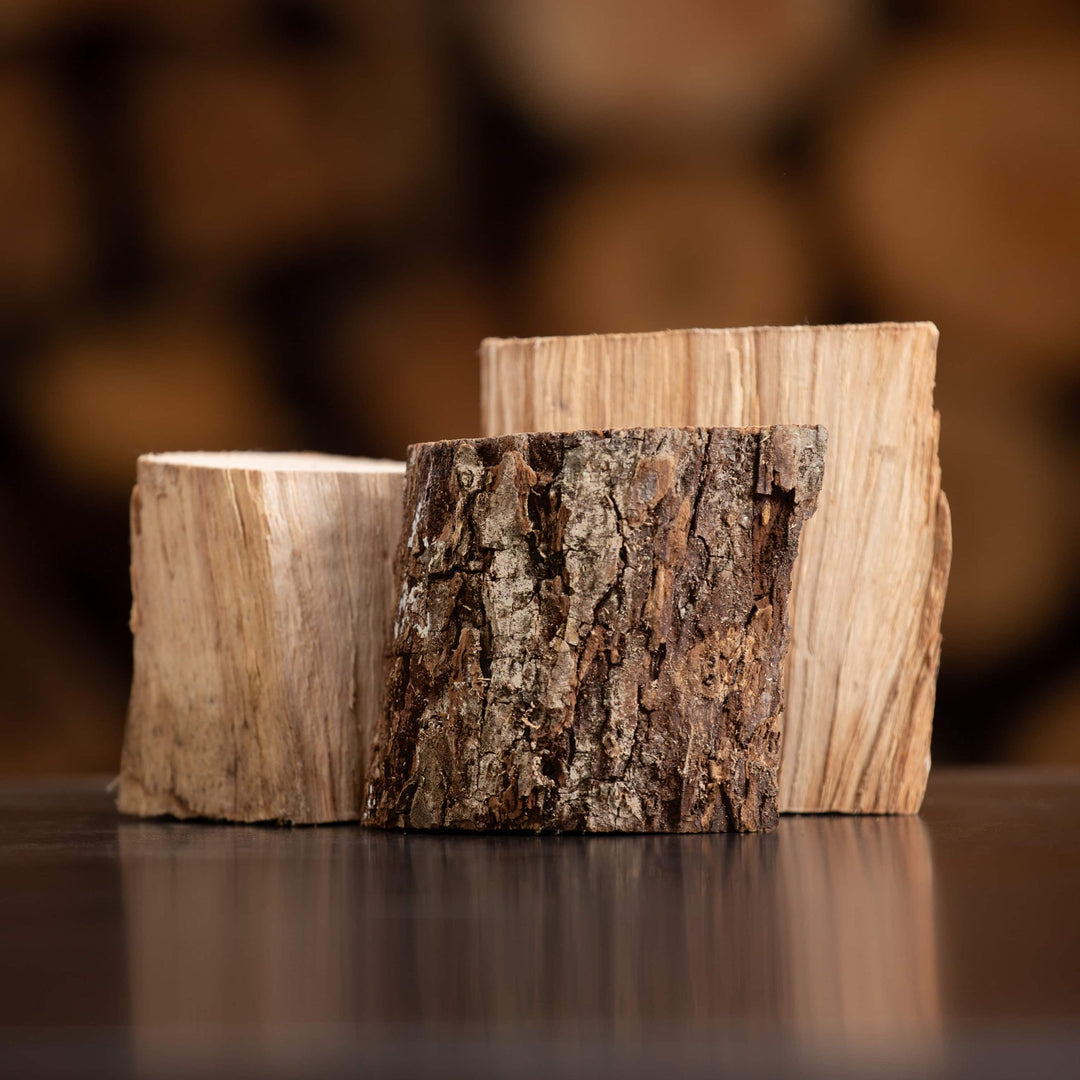
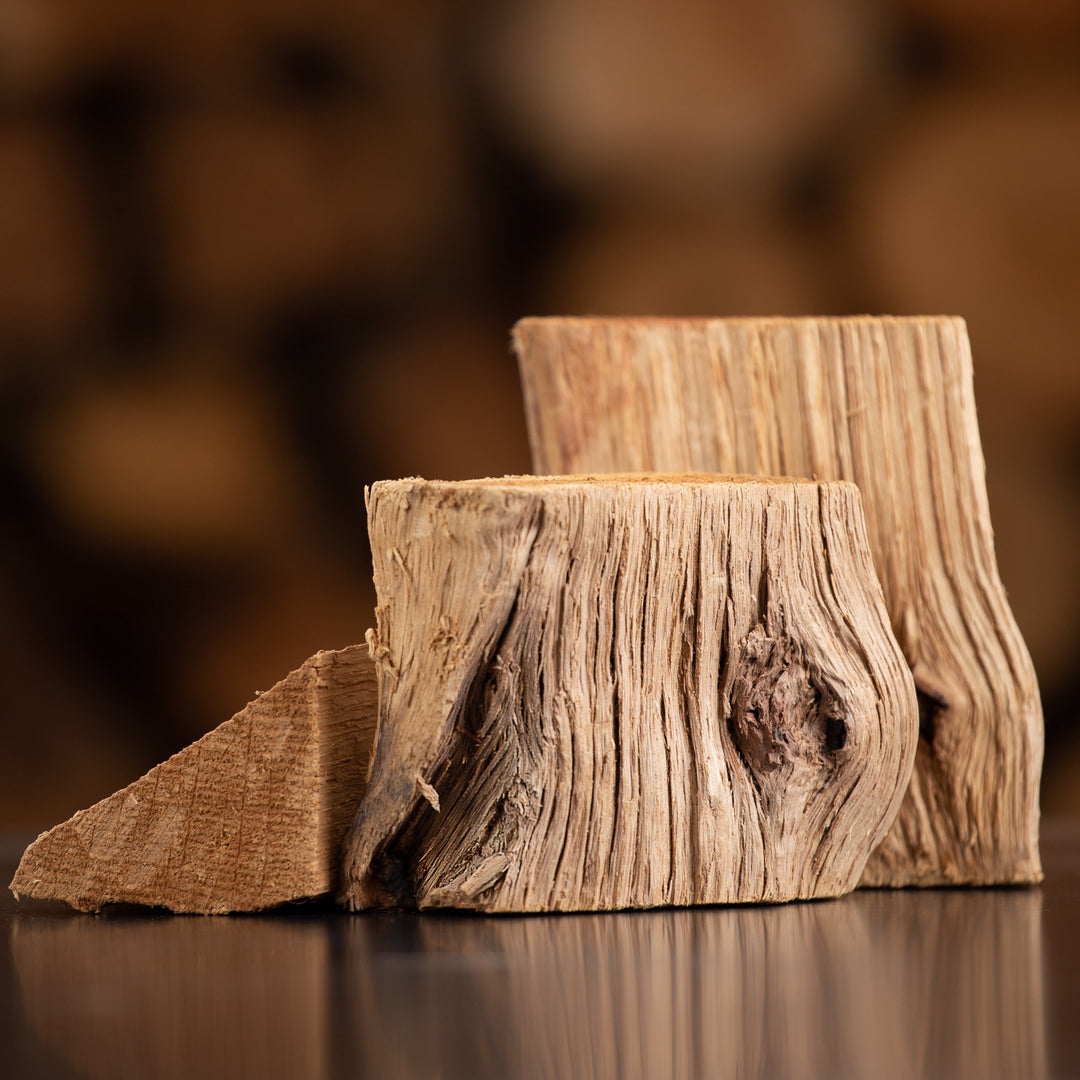
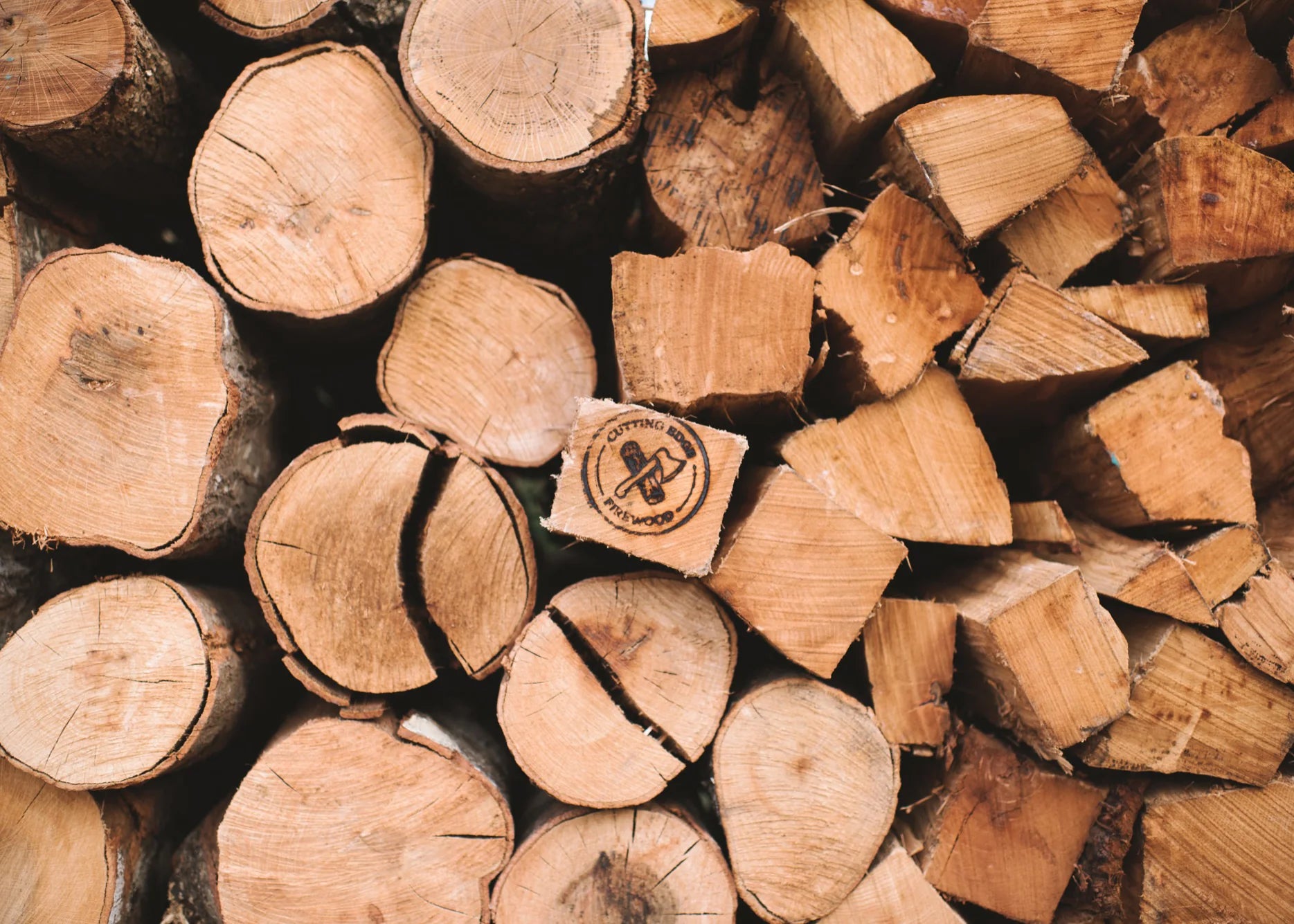
- Bark: Loose bark is normal on well-dried wood. Bark that is tightly attached and still green underneath means the wood was cut recently and has not been seasoned.
Ready to Cook With Apple Wood?
Every piece of Cutting Edge Firewood goes through a 48-hour kiln-drying process before it ships. It's hand-selected, pest-free, and mold-free, and it lights with one match instead of smoldering while you wait on it.
For mild woods like apple, that leads to a clean, consistent burn that lets subtle sweetness come through instead of getting buried under smoke from wood that has not dried properly.
Shop our apple wood for smoking. Or, if you want other types of premium kiln-dried firewood, browse our full range of cooking and fire woods!